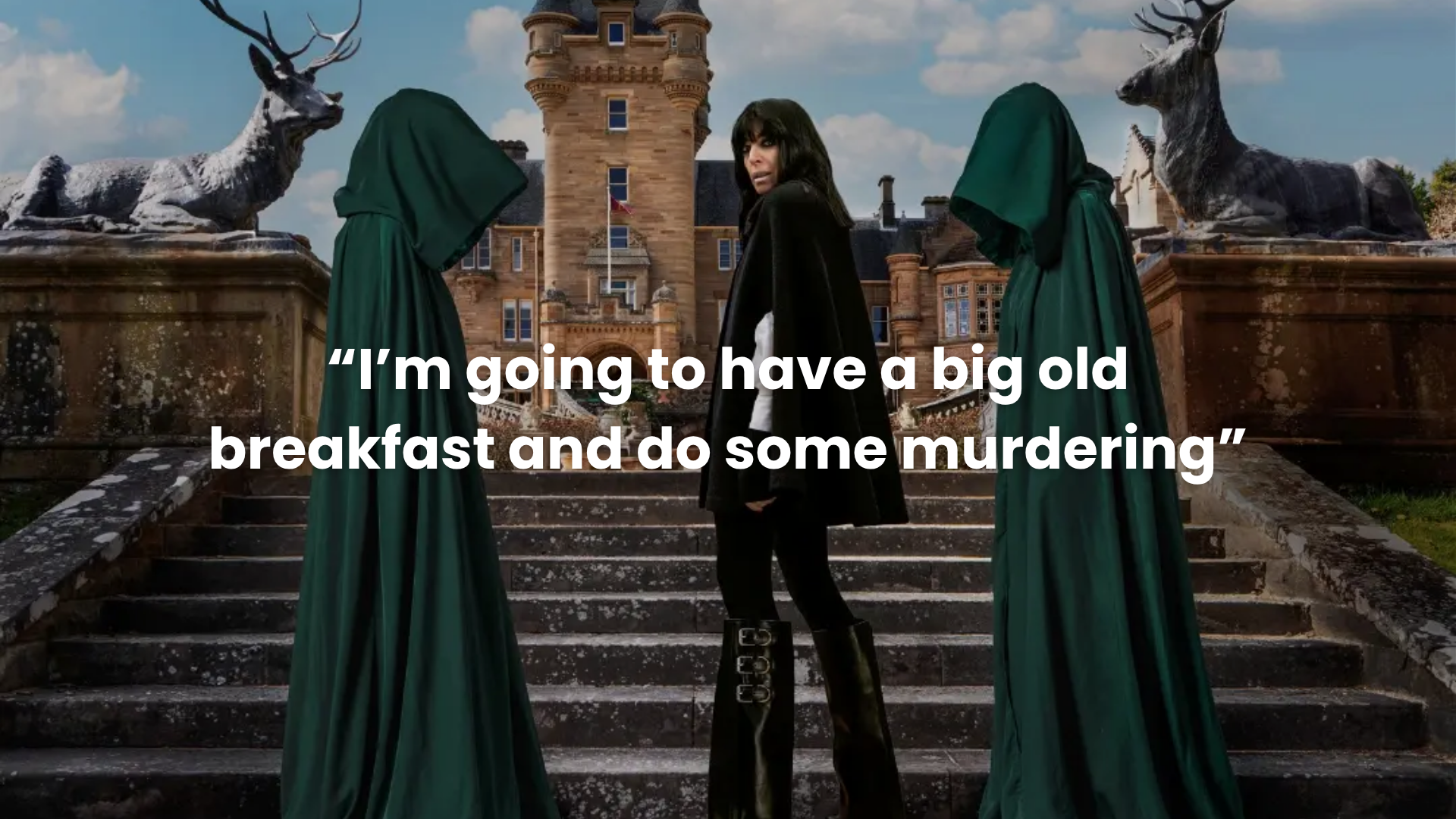
The mist doesn’t lift off the River Alness so much as concede, reluctantly, around nine each morning. Ardross Castle sits above it: turrets, battlements, a baronial silhouette that looks like something built by someone who expected to be betrayed and wanted a good vantage point for it. Blacked-out Land Rovers come up the drive, one behind the other. Nobody in them knows yet who they can trust.
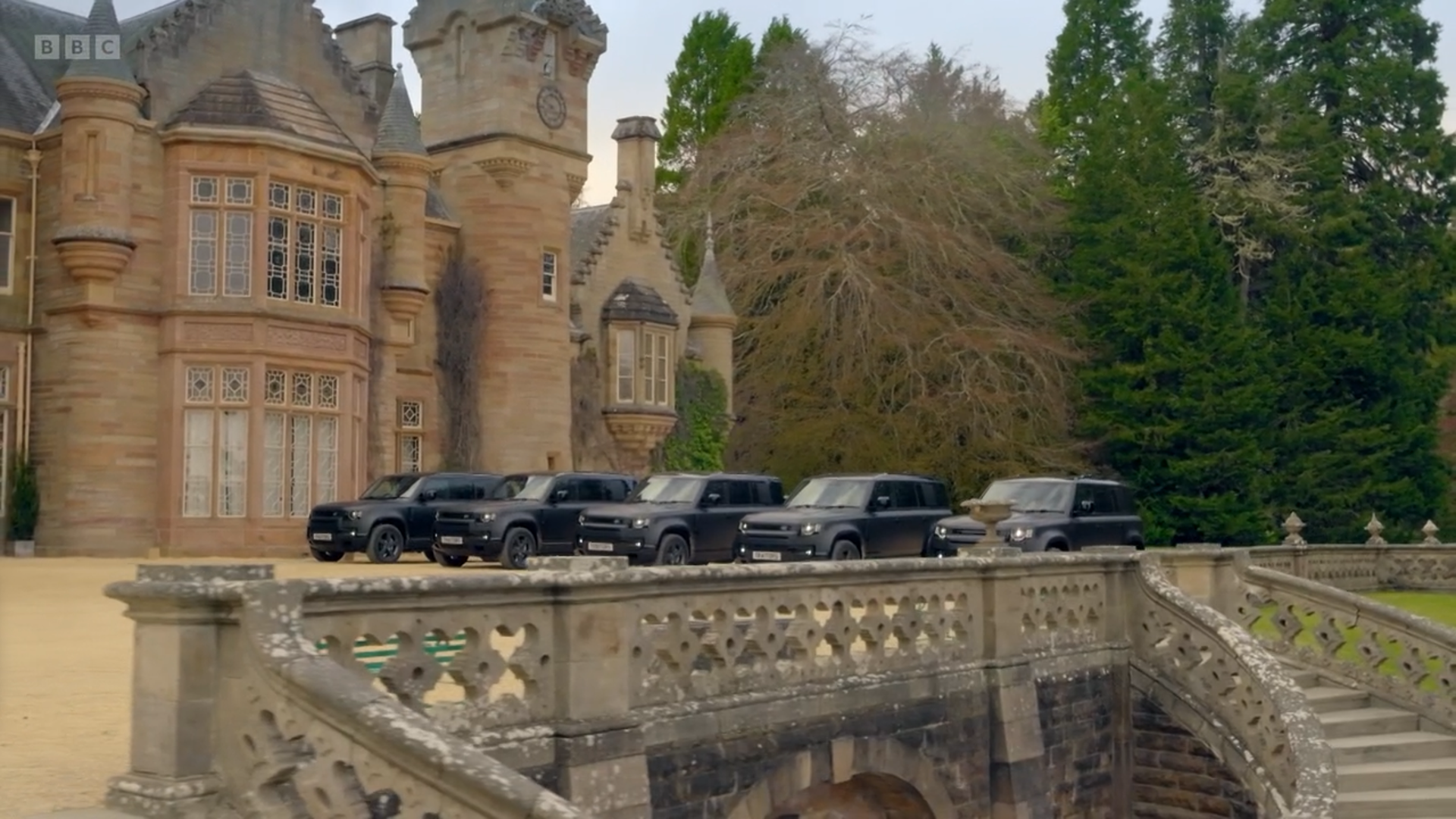
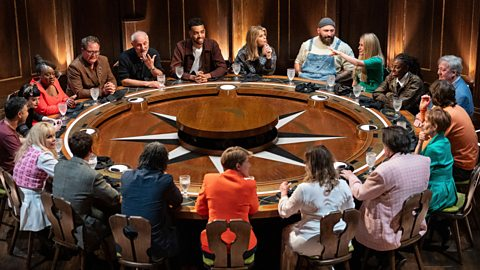
Inside the castle, there’s a fire lit in a room built to work out who’s telling the truth. There’s the circle table, the cloaks, and a poison lily that no-one even knows about. Those who sit down at that table will spend the next few weeks learning what everyone before them has learned. The castle doesn’t care what you say about yourself. It only cares what you’re prepared to do about it, in front of everyone, with your name on it.
Last year it was Alan Carr who climbed the steps, alongside David Olusoga, Nick Mohammed, Celia Imrie, Stephen Fry, and a cast of the genuinely famous, and the series went on to become the most-watched programme on British TV that year, drawing an average audience of more than 13 million (your dear writer included). This week, a new cast has walked up the same drive: Richard E. Grant, Maya Jama, James Blunt, Martin Sheen, Ross Kemp, Miranda Hart (and more), playing the same game in the same cosy firelight (don’t worry, as much as I’m completely wrapped up in the new series, you won’t find any spoilers here… or will you).
Everyone’s faithful until the cloak comes off
Yes, perhaps I’ve gone too far this time. But you’re still reading, so my theory must have some substance (that, or you just want to find out how ridiculous this article will get).
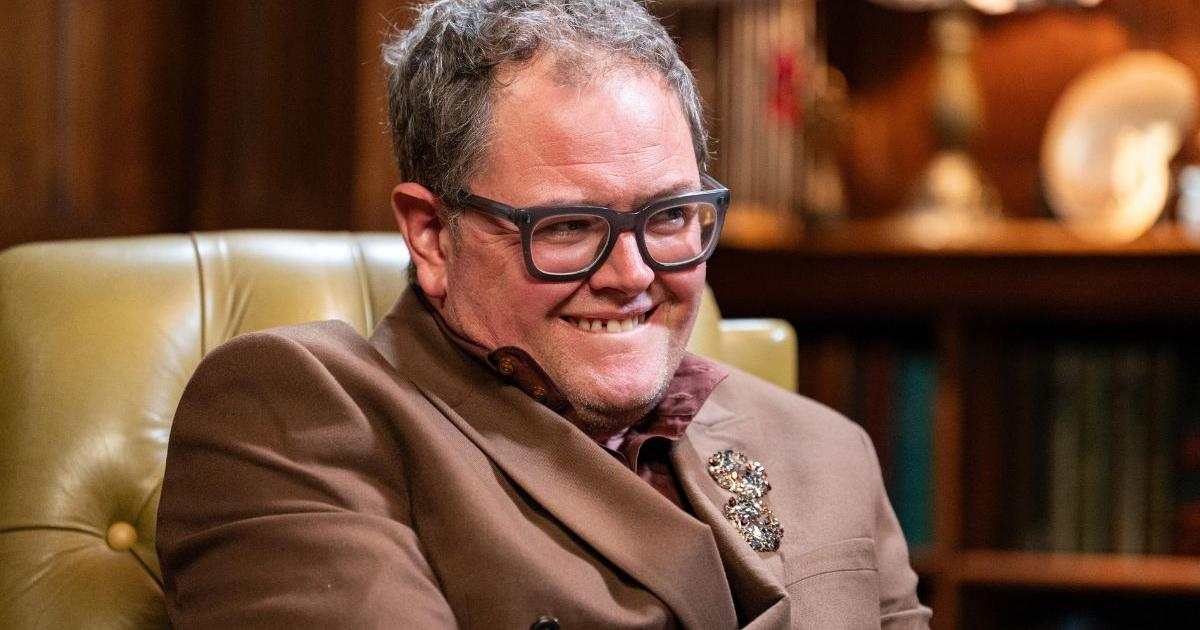
Alan Carr said he was faithful for weeks, and everyone believed him, proving that declarations are worthless. It’s a tidy little line, and it’s not really what happened.
Alan didn’t just make the claim and leave it there. He built a pattern around it: reactions, alliances, the way he voted, the way he defended people, or threw people under the bus. David Olusoga and Nick Mohammed read that pattern as consistent with someone trustworthy, over weeks, across dozens of small signals that all seemed to corroborate each other. What finally ended it all was the reveal. The moment that couldn’t be performed or taken back.
This is the more useful version of my lesson here, because it maps onto something every retailer already does. We don’t judge a customer from one signal alone. We read a pattern: clicks, searches, past purchases, declared preferences, loyalty history, and try to work out which of those signals show what someone might want and which show what they’re prepared to do. A declaration, “I’m a Faithful,” “I like minimalist homeware,” is information. A vote, like a booking, is an action taken on the strength of it, and action is harder to fake than a sentence, even if it’s never impossible.
See, I told you it would be worth sticking around.
The Round Table has levels
Every Traitors contestant is (technically) handing over zero-party data. They’re telling the table exactly who they are, unprompted, free of charge (well… they’re probably getting paid quite a lot), no persuasion required. But most of the time, especially at the beginning, they aren’t actually asked to back it up with any evidence apart from a steady voice and a straight face.
Forrester defines zero-party data as information a customer intentionally and proactively shares: preferences, purchase intentions, how they’d like to be recognised. Its own guidance is clear that this data can be high-quality and accurate. I think that’s a fair description. A size preference, a flavour quiz answer, a “yes, I’d love personalised offers” tickbox: all useful, and all freely given.
What that definition doesn’t do is rank the different types of information against each other. In practice, they’re not all worth the same, because they cost the customer different amounts to give. Some declarations take thirty seconds and a click. Others come with a diary entry attached, which is the retail equivalent of actually casting a vote instead of just muttering “I trust him” under their breath.
Not every seat at the Round Table carries the same weight. It helps to think of it as a spectrum rather than a single category:
- Inferred behaviour, the empty chair at breakfast: this customer looked at three coats, so they might want a coat. Nobody said anything; the retailer is guessing at the motive from a browsing session, the same way the breakfast table guesses at a murder nobody saw.
- Declared preference, the pre-titles interview: this customer told us they like coats. True and useful, and it cost nothing to say, much like every contestant’s opening piece to camera about how trustworthy (or not) they are.
- Declared intent, ”I promise I’m Faithful”: this customer told us they’re planning to buy a coat this season. More specific, though it’s still just words, still said with total conviction by people who sometimes turn out to be lying.
- Booked Intent, the vote: this customer chose a fitting, at a time, in a store, for a coat. The customer has moved from telling the retailer what they want to acting on it.
Appointedd uses the term Booked Intent for that fourth stage as it’s the point where declared interest turns into a commitment a retailer can plan around. A preference is exactly what it claims to be: useful, low-friction, freely given. The point is to notice where each one sits on that spectrum relative to a commitment, and to treat it accordingly.
The booking is the banishment vote
Many bookings happen because a retailer has asked for them: a website, an email, a sales assistant. That’s normal, and being asked doesn’t weaken the signal any more than being recruited as a Traitor makes someone’s vote at the table count for less later. What makes a booking different is that it requires action from the customer, not just a click. They choose a specific time and place and commit a piece of their diary to it, which creates a record that a preference, or a heartfelt speech about loyalty by the fire, never does.
Done well, a booking can also give a retailer structure: who the customer is, what they want, when they’re coming, and where. Why is the harder one. A booking can only capture that when the booking flow is built to ask for it; it’s not automatic.
None of this is hard proof of anything. Customers cancel, or don’t show up. Even a banishment vote doesn’t guarantee the right person went home. Nick and David cast plenty of confident-looking votes and still ended the series having backed a Traitor. A booked appointment doesn’t guarantee attendance, and attendance doesn’t guarantee a sale. What it gives a retailers is a considerably stronger signal of intent than an unverified preference or a piece of browsing history, because the customer has moved from expressing an interest to committing time to it. Even a cancellation tells you something a browsed-and-abandoned page never does: what the customer was prepared to commit to at that moment, and a real reason to follow up on why it changed.
If a retailer knows someone is coming, they can prepare the right product, person, or team before the visit, roll out something closer to a warm welcome than a suspicious once-over across the breakfast table, cut the waiting once the customer is through the door, and afterwards connect what happened to what was booked: did they attend, did they buy, would they book again? That loop (not just the booking) is what turns a diary entry into something an operations team can plan around: staffing, stock, capacity, and a better-informed answer to who’s actually walking through the door this week.
In Ardross Castle, in the Round Table room, a handful of celebrities are telling the table they’re Faithful, some might mean it, but it won’t be enough on its own to prove anything. The castle was built to watch what people do next. Retail already collects plenty of declarations. What’s missing is a way to tell the difference between what a customer says, what they intend, and what they’re prepared to commit to. No cloaks required.
I told you there were no spoilers.
Questions from the breakfast table
What is zero-party data?
Zero-party data is information a customer intentionally and proactively shares with a business: a stated preference, a quiz answer, a purchase intention, rather than data inferred from behaviour or bought from a third party. Forrester, who coined the term, says it can be high-quality and accurate. The nuance worth adding is that not every piece of it carries the same level of commitment.
Why isn’t all declared data equally valuable?
Zero-party data can be highly valuable, but different types of declared information carry different levels of commitment. A stated preference or interest is useful on its own. An action such as booking a specific time and place adds a behavioural signal on top of it: the customer has moved from telling a retailer what they want towards acting on it.
What is Booked Intent?
Booked Intent is Appointedd’s term for the signal created when a customer books an appointment: a declared, time-stamped commitment that typically covers who they are, what they want, when and where, and where the booking flow asks why. It sits further along the intent spectrum than a stated preference alone.
Why is a booking a stronger signal than a form fill?
A booking requires action. Rather than simply stating a preference, the customer chooses a specific time, place, or experience and commits a piece of their diary to it. That makes a booking a richer signal of intent than an unverified preference or passive browsing behaviour.