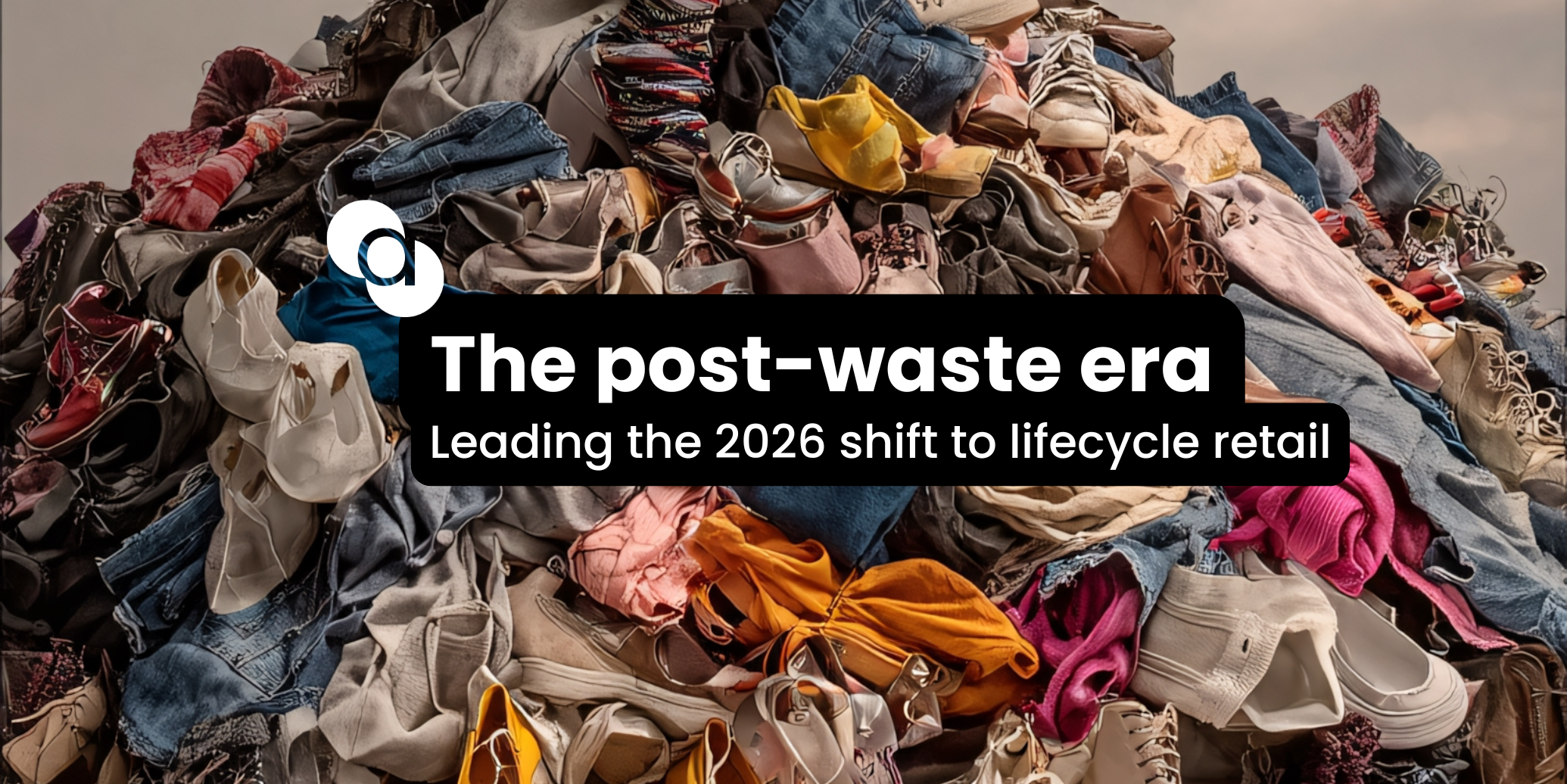
As we enter 2026, retail has reached an inflection point. The “Take-Make-Waste” model is being dismantled by a sophisticated Circular Economy. With the EU Digital Product Passport (DPP) rollout beginning this year and 2030 Net-Zero milestones looming, success now depends on service-based ecosystems where longevity trumps newness.
The data is clear: the BearingPoint Sustainable Retail Barometer (2025) reveals that 69% of consumers factor sustainability into purchases, while 60% actively use second-hand markets. To thrive, leaders must transition from product vendors to lifecycle curators.
The strategic engine: Appointment-led sustainability
The greatest threat to circularity is operational chaos. Managing a flood of repairs, trade-ins, and collections alongside standard traffic fractures efficiency. This is where precision scheduling becomes a competitive advantage.
By integrating an online booking system like Appointedd, retailers transform “green initiatives” from cost centres into streamlined profit centres. Scheduling allows you to:
- Optimise labour: Staff expertise only when a customer is confirmed.
- Capture data: Use custom intake forms to gather product IDs and condition assessments before the customer arrives.
- Enhance customer experience: Replace the “drop off and wait” frustration with a guaranteed, VIP service journey.
Scaling the circular blueprint
Industry giants are already proving the model. H&M recently co-founded Looper Textile Co. to sort collected textiles at scale, proving “waste” is a high-value inventory. Similarly, John Lewis & Partners expanded its BeautyCycle and repair initiatives into all branches, while Lush processes 500,000 pots annually via its “Bring It Back” scheme.
Upcycling and “Repair-as-a-Service” (Raas)
Circularity also fuelled differentiation. Urban Outfitters, through Urban Renewal, turns deadstock into high-margin, one-of-a-kind reworked pieces. This scarcity drives urgency while deepening brand affinity.
Furthermore, as consumers prioritise “investment pieces” RaaS has become the ultimate loyalty lock. Managing this specialised labour requires the precision of appointment-led slots. A customer who repairs with you is significantly more likely to buy from you again; that three-way bond (customer, brand, product) is nearly impossible for competitors to break.
Resale as a revenue engine
ThredUp’s 2025 Resale Report projects the secondhand market will reach $367 billion by 2029. Winners in this space make trade-ins feel as premium as a new purchase. By using Appointedd to manage “VIP Trade-In” appointments, retailers can ensure valuations are ready the moment a customer walks in, seamlessly converting a “return” into an immediate “re-purchase.”
Why strategic circularity defines the bottom line
In 2026, sustainability has migrated from a compliance burden to the primary engine of business resilience:
- Risk mitigation: Circularity builds a “buffer” of reclaimed inventory, decoupling revenue from volatile material costs.
- Operational control: Moving to service-led models ensures a specialised labour is utilised with maximum efficiency.
- Lifetime value: You are no longer selling a single unit; you are selling a decade of care, repairs and trade-ins.
The bottom line: Sustainability is no longer an “extra” on the balance sheet. It’s the foundation. Enterprise retailers who thrive will view every product as a long-term asset and every interaction as an opportunity for a regenerative future.